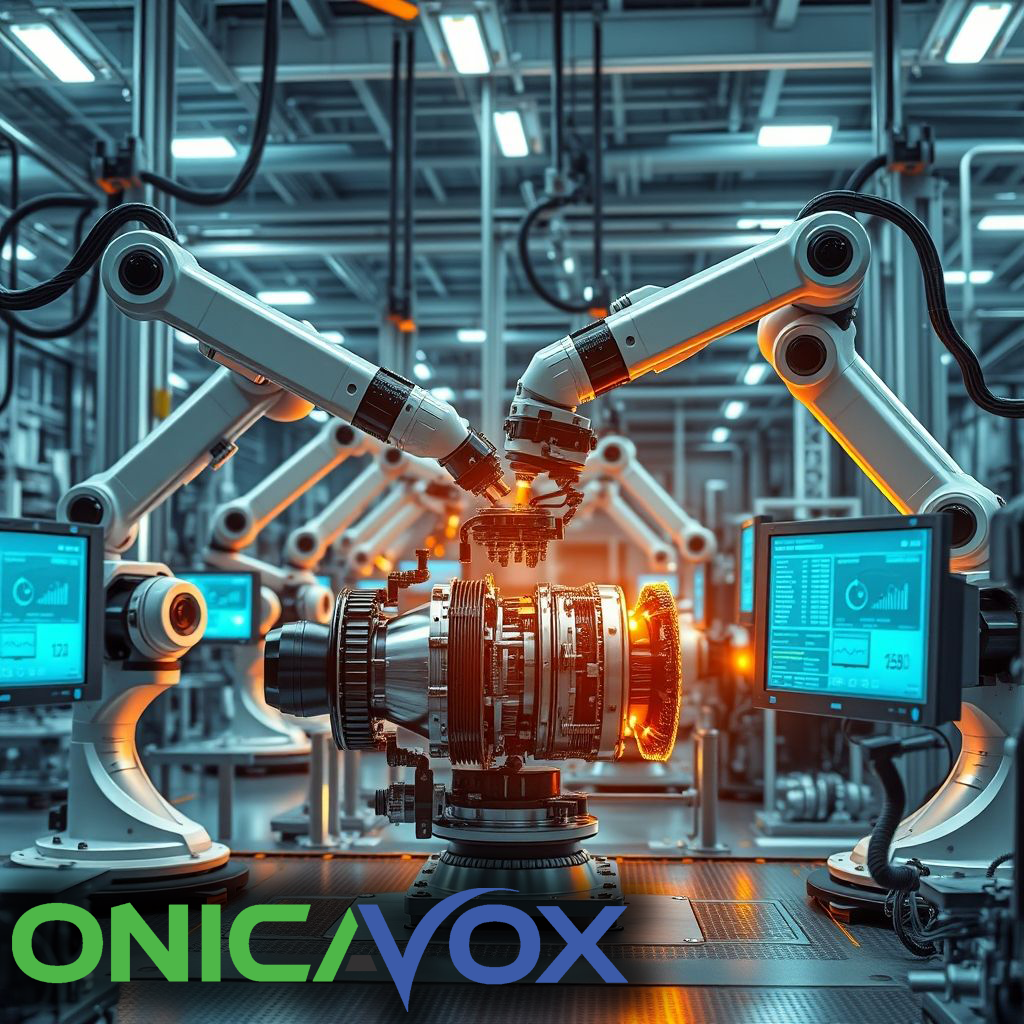
Understanding AI Predictive Maintenance and Industrial Automation
In today's fast-paced industrial world, unplanned downtime due to equipment failures can be costly and disruptive. Whether in manufacturing, power generation, mining, or food and beverage industries, unexpected machinery breakdowns lead to delays, loss of productivity, and expensive repairs. The costs add up quickly—not only in terms of direct expenses but also through the ripple effects across the entire supply chain. These interruptions create a significant burden for businesses that rely on machinery to run efficiently.
For businesses operating in highly dynamic sectors, such as automotive and logistics, these unplanned outages are a constant challenge. As the complexity of systems and machinery grows, traditional maintenance schedules and reactive approaches to equipment repair are no longer enough to stay ahead.
The Critical Role of Machine Learning in Equipment Failure Prevention
OnicaVox’s AI-driven predictive maintenance system is designed to tackle the problem head-on. By leveraging advanced analytics and machine learning, OnicaVox transforms how businesses monitor, maintain, and optimize their machinery. Instead of waiting for a failure to happen, AI predictive maintenance allows businesses to proactively predict and prevent equipment issues before they disrupt operations.
Through continuous monitoring of key performance indicators (KPIs) and predictive analytics, our system can detect early signs of wear, malfunction, or failure in machinery, providing businesses with real-time insights into their operations. This capability enables businesses to plan maintenance schedules more effectively, minimizing costly downtime and extending the life of valuable assets.
Real-World Applications: Equipment Failure Prevention in Action
For instance, in the manufacturing sector, OnicaVox’s AI predictive maintenance can alert operators to minor issues such as vibration imbalances or temperature spikes that could lead to bigger problems down the line. This early detection helps businesses address potential failures before they cause expensive and unnecessary interruptions.
Moreover, AI-powered maintenance reduces the need for time-based maintenance, which often results in unnecessary servicing. By implementing a predictive approach, companies can schedule maintenance activities only when truly needed, further optimizing operational costs and increasing productivity.
At one of our manufacturing clients, OnicaVox’s AI solution helped reduce unplanned downtime by over 30%. By predicting failure points and ensuring timely interventions, the client saw a significant boost in operational efficiency. This shift not only saved them valuable production hours but also cut maintenance costs by preventing unnecessary repairs.
The future of AI predictive maintenance looks even brighter. As AI and machine learning technologies continue to evolve, businesses can expect even more accurate predictions and deeper insights into their equipment’s health. The integration of Internet of Things (IoT) devices and cloud-based data analysis will make AI solutions even more accessible, giving businesses of all sizes the power to optimize their operations.
At OnicaVox, we are committed to staying at the forefront of this technological evolution, helping businesses unlock new levels of efficiency, reliability, and profitability.
At OnicaVox, we’re here to help you implement smarter, more reliable, and cost-effective solutions for predictive maintenance.
If you’re ready to reduce downtime and increase operational efficiency, contact us today, and let’s explore how AI can revolutionize your maintenance strategies. [https://www.onicavox.com/contact-us/]