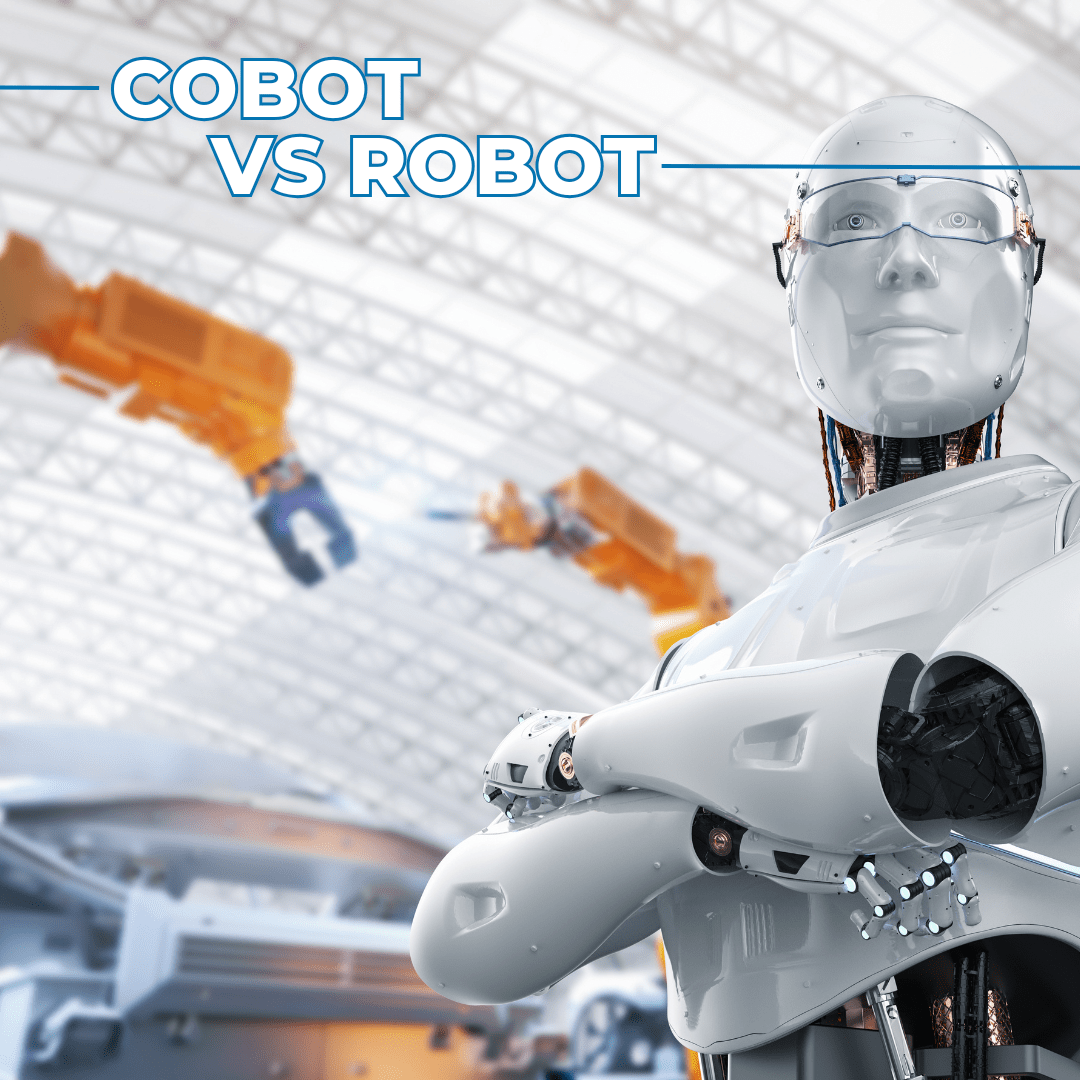
In the evolving landscape of industrial automation, the choice between collaborative robots (cobots) and traditional industrial robots is pivotal for manufacturing businesses aiming to enhance efficiency, safety, and productivity. Understanding the distinctions, advantages, and limitations of each can guide decision-makers in selecting the most suitable automation solution for their specific operational needs.
Defining Cobots and Traditional Industrial Robots
Traditional industrial robots are typically large, fast, and powerful machines designed to perform tasks such as welding, painting, material handling, and packaging. They operate autonomously and are often enclosed in safety cages or barriers to protect human workers from potential harm.
In contrast, collaborative robots, or cobots, are designed to work alongside human operators. They are equipped with advanced sensors, artificial intelligence, and machine learning capabilities that enable them to perform complex tasks while ensuring safety. Cobots are generally smaller, more flexible, and easier to program than traditional robots, making them ideal for industries that require adaptability and precision.
Pros and Cons of Traditional Industrial Robots
Advantages:
Disadvantages:
Pros and Cons of Collaborative Robots (Cobots)
Advantages:
Disadvantages:
Application Suitability: Cobots vs. Traditional Robots
Traditional Industrial Robots:
Traditional robots are best suited for applications that require high speed, precision, and the handling of heavy payloads. Industries such as automotive manufacturing have long utilized traditional robots for tasks like welding and painting car parts.
Collaborative Robots (Cobots):
Cobots excel in environments that require flexibility, safety, and human-robot collaboration. They are particularly beneficial in industries such as electronics, pharmaceuticals, and general manufacturing, where they can assist with tasks like machine tending, assembly, and packaging.
Conclusion
The decision between implementing cobots or traditional industrial robots hinges on a manufacturing business's specific operational requirements, production volume, and safety considerations. Traditional robots offer unparalleled speed, precision, and payload capacity, making them ideal for high-volume, repetitive tasks. Conversely, cobots provide flexibility, ease of use, and enhanced safety features, making them suitable for environments that require human-robot collaboration and adaptability.
By carefully assessing the unique needs of their operations, manufacturing businesses can determine the most appropriate automation solution to enhance productivity, safety, and return on investment.
Here at Onicavox we strive to be at the forefront of the future of automation, empowering businesses across industries by helping them optimize their operations and maximising productivity. As a leading provider of cutting-edge automation solutions, we strive to transform the way businesses operate, enhancing efficiency, accuracy, and profitability.
Is your business ready to scale-up it's automation game? Onicavox is here to help. Please get in touch.