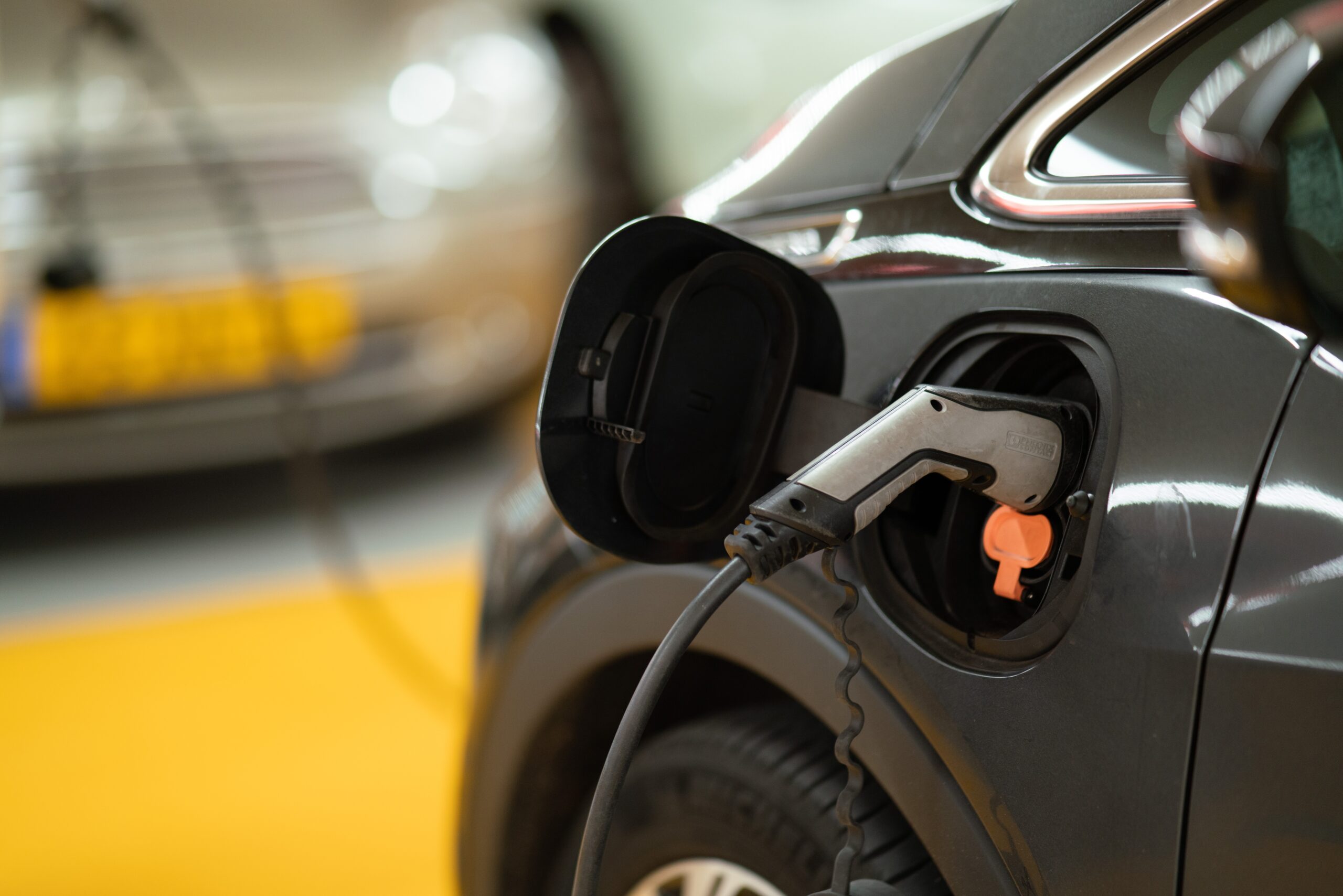
Here at Onicavox we are constantly looking for opportunities to add value within the Industrial Automation space. One of our latest client’s is an industry leader in the Electric Vehicle (EV) space, which we’re looking forward to partnering with over the next couple years. As part of our research, and personal interest, in the EV market we thought we’d share some of our key insights into the comparison between two of the major EV vehicle options you can find on the market today:
Battery Electric Vehicles (BEVs) vs Plug-in Hybrid Electric Vehicles (PHEVs)
The automotive industry has been experiencing major transformations over the past decade, with a significant shift towards more sustainable and environmentally friendly vehicles. Electric vehicles (EVs) are playing a pivotal role in this shift, providing consumers with cleaner and more energy-efficient transport options. There are currently two popular electric vehicle options on the market, these being the Battery Electric Vehicles (BEVs) and Plug-in Hybrid Electric Vehicles (PHEVs). While both aim to reduce our reliance on fossil fuels and minimize emissions, they have distinct differences that make each suitable for different real-world uses. In this article, we will compare BEVs and PHEVs with the aim of understanding each option with regards to its real-world potential, pros, cons and a general understanding of each option a little better.
Understanding BEVs
Battery Electric Vehicles (BEVs), often referred to as pure electric vehicles, are designed to operate solely on electricity. BEVs are powered by electric motors and store energy in large batteries. A key feature of BEVs is that they do not have an internal combustion engine, meaning they produce zero tailpipe emissions, relying entirely on electric charging. The most well-known examples of BEVs are the Tesla Model 3, Ford E-Transit Van, Nissan Leaf and the BMW iX3, to name a few.
Key Features of BEVs:
Understanding PHEVs
Plug-in Hybrid Electric Vehicles, on the other hand, combine characteristics of both electric and conventional combustion engine vehicles. PHEVs feature an electric motor, as well as an internal combustion engine, which can operate independently or work in tandem. These vehicles come equipped with a smaller battery setup when compared to BEVs, allowing them to run on electric battery power for shorter distances, or combining the electric power requirement with fuel power, depending on the vehicle model and setup. Some well-known PHEVs include the Toyota Rav4 Hybrid and the Haval H6 Hybrid Electric Vehicle.
Key Features of PHEVs:
As you can see, there are various pros and cons to both types of vehicle. If we compare the two vehicle types side-by-side we find the following:
Environmental Impact - BEVs produce zero tailpipe emissions, making them the better choice for those who want to reduce their environmental footprint. Also note that if the electricity comes from renewable sources, the environmental benefits are even greater. Although PHEVs produce lower emissions than traditional internal combustion engine vehicles, they still emit some greenhouse gases when running on gasoline, making them better for the environment than normal combustion vehicles, but not as environmentally friendly as BEVs.
Driving Range - BEVs typically have a shorter electric-only range, making them suitable for daily commuting, urban cruising and short trips. The range depends on the battery size, but advancements have improved this over time. On the other hand PHEVs offer greater flexibility with their dual power sources, providing longer potential driving ranges which make them ideal for longer journeys. Due to PHEVs still requiring to be fuelled-up like a normal combustion engine, availability of fuel stations are plentiful, meaning you won’t struggle to re-fuel, unlike with the BEVs which require dedicated electric charging stations, which are not as geographically available yet (in South Africa, anyway).
Charging Infrastructure - BEVs require access to a charging electric charging stations. These may include a dedicated home charging station, public charging stations, or utilizing fast-charging stations for quicker refuelling, when available. PHEVs, on the other hand, do not rely solely on charging infrastructure because they can operate on gasoline when needed. This makes PHEVs a potentially more practical choice for individuals without easy access to the relevant charging station requirements.
Cost of Ownership - BEVs generally have lower operating costs simply because electricity is currently cheaper than gasoline, and require less maintenance due to fewer moving parts. A PHEV can still offer some cost savings compared to traditional combustion-engine vehicle, but their fuel costs will be higher due to their need for fuel, as well as depending on the driving style of the owner.
Practical Use Cases - BEVs are well-suited for urban and suburban driving, especially if you have access to charging stations at home and within your general vicinity of where you live. BEVs excel in reducing emissions during short commutes and daily driving. On the other hand, PHEVs are more versatile and can be used for longer trips and in areas with limited charging infrastructure, and therefore a better choice for users who wish to travel longer distances. They offer greater flexibility due to their utilisation of both a combustion engine and electric engine, making them a better option as an all-round vehicle.
Which Is the better Option?
To determine whether a BEV or a PHEV is the better choice of electric vehicle depends on your specific needs and priorities. Here are some considerations to help you decide:
In our opinion, if you’re purchasing the vehicle for urban and suburban usage where daily travelling consists of short distances, then a BEV would be your vehicle of choice. It’s low in cost, electric charging stations will be close at hand and you can enjoy knowing your travels are as environmentally friendly as can be in this day and age.
On the other hand, if you’re going to use your vehicle for both urban and extra-urban travels between cities or for weekend’s away, then a PHEV would be your vehicle of choice simply due to the extended mileage possibility of this type of vehicle, as well as the availability of fuel stations located within reach anywhere in most countries.
Whatever your choice, the future of Electric Transportation is here, and will only evolve for our benefit over the next few decades. We look forward to contributing towards the innovation of Electric Vehicles through our exciting projects with leading companies within the EV sector.
Watch this space ... the future of motoring is here.