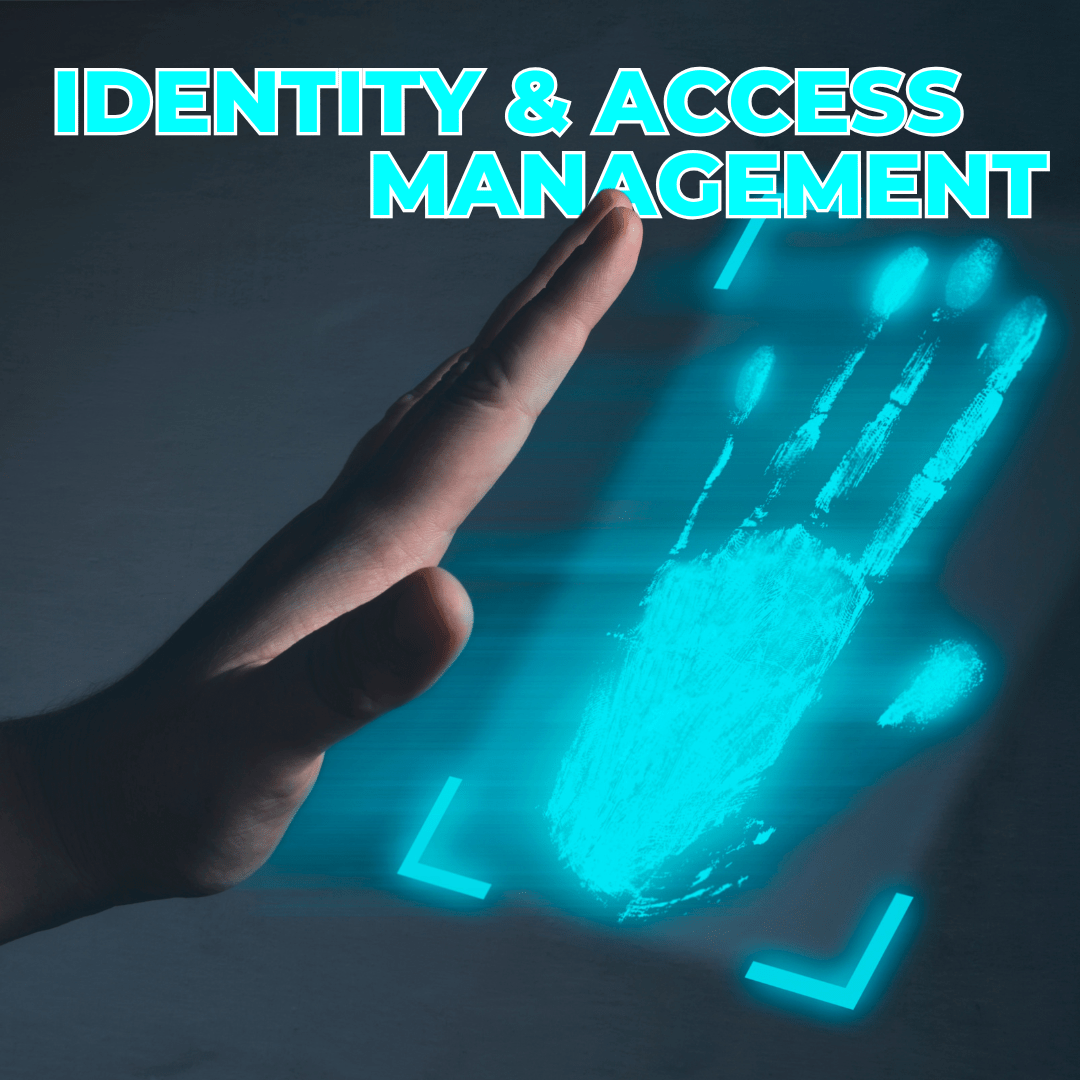
As a maintenance manager, you're likely facing the ever-growing challenge of keeping industrial automation systems secure while juggling operational efficiency. With digital transformation speeding up, your networks are more complex than ever. That’s where Identity and Access Management (IAM) comes in. Let’s explore practical ways to enhance your system security without overloading your daily operations.
In today’s industrial landscape, access control isn’t just a good idea—it’s essential. Unauthorized access can disrupt production lines, jeopardize sensitive data, and even risk your equipment's safety. IAM helps keep your systems and processes running smoothly by safeguarding production lines, protecting operational data from breaches, keeping equipment controls out of the wrong hands, and securing intellectual property.
Let’s face it: passwords alone don’t cut it anymore. MFA adds an extra layer of security by requiring two or more verification methods. In industrial settings, this could include biometrics like fingerprint scanners, hardware tokens, role-based access permissions, and logging every access attempt in real-time. To set up MFA effectively, connect it with your existing PLC and SCADA systems, aim for minimal delays during authentication, use widely supported protocols to ensure compatibility with older equipment, and prioritize user convenience without compromising security.
Zero Trust means you assume no one—inside or outside—is trustworthy by default. This mindset reshapes security by focusing on constant user authentication, limiting access to only what’s necessary, breaking networks into smaller, secure segments, and dynamically assessing risks based on user behavior. To implement Zero Trust effectively, grant access strictly based on roles and needs, monitor user behavior to spot anomalies, set up smart authentication protocols that adapt to changing situations, and log every interaction within your systems.
Managing user access from one place can make your life a lot easier. Industrial-grade IAM platforms simplify this by automating user provisioning, governing who gets access to what—and when, keeping detailed audit trails, and integrating seamlessly with industrial control systems. When implementing centralized identity management, use standard protocols like SAML and OAuth, integrate with Active Directory for streamlined management, define roles and permissions for every user, and deploy across multiple sites without a hitch.
Whether it’s IEC 62443, NIST standards, or GDPR, your IAM strategy needs to align with industry rules. Staying compliant involves logging all access activity, setting up rapid response plans for breaches, building solid governance frameworks, and regularly testing for vulnerabilities. Addressing these regulatory requirements not only ensures compliance but also strengthens your overall security posture.
Strong security measures shouldn’t slow you down. Balancing performance with security can be achieved by reducing authentication delays wherever possible, supporting decentralized authentication for flexibility, enabling single sign-on (SSO) for quicker logins, and using adaptive algorithms that match security levels to risks in real-time. These measures ensure that operational efficiency is not compromised while maintaining robust security.
Look for platforms that support APIs and standard protocols like SAML or OAuth to bridge the gap with your PLCs and SCADA systems. Integration flexibility is key to ensuring compatibility with both modern and legacy systems.
Expect challenges like ensuring compatibility with older systems, minimizing performance impacts, and setting up access policies that work for everyone. Addressing these proactively can smooth the implementation process.
Aim for a quarterly deep dive and monthly quick check-ins to stay ahead of potential risks. Regular reviews help maintain an optimal security posture and adapt to evolving threats.
Industrial automation calls for a no-compromise approach to identity and access management. By upgrading your IAM strategy, you can keep your critical systems safe, meet regulatory demands, reduce unauthorized access, and enhance overall operational security.
Curious about what IAM can do for you? Let’s talk.
At Onicavox, we specialize in Industrial Automation Solutions. Contact us for more information on how we can assist your business.