3 Advances in Industrial Automation to look out for
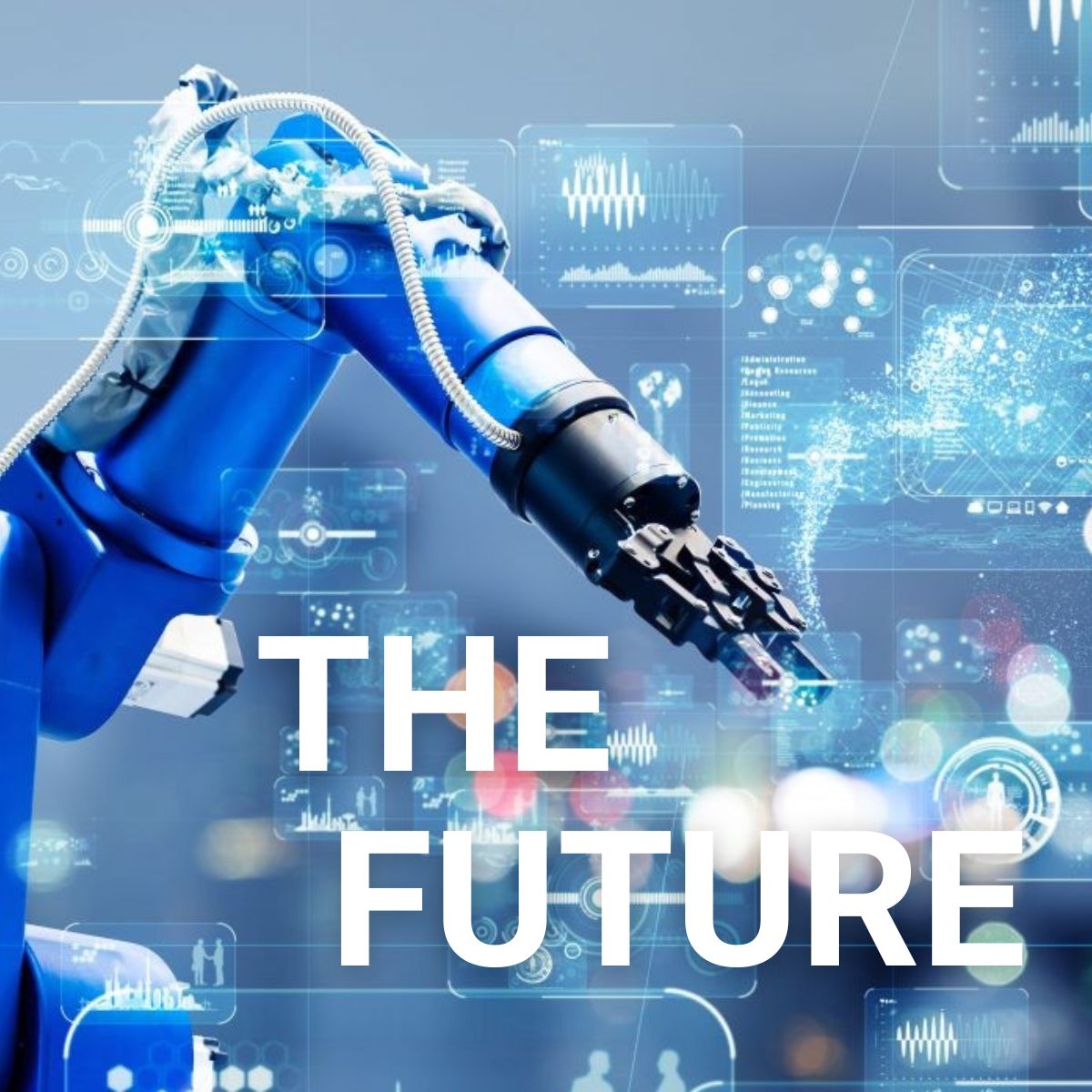
In the ever-evolving landscape of industrial automation, the next five years hold immense promise for groundbreaking advancements that will redefine manufacturing processes and revolutionize productivity thanks to advances in industrial automation technology.
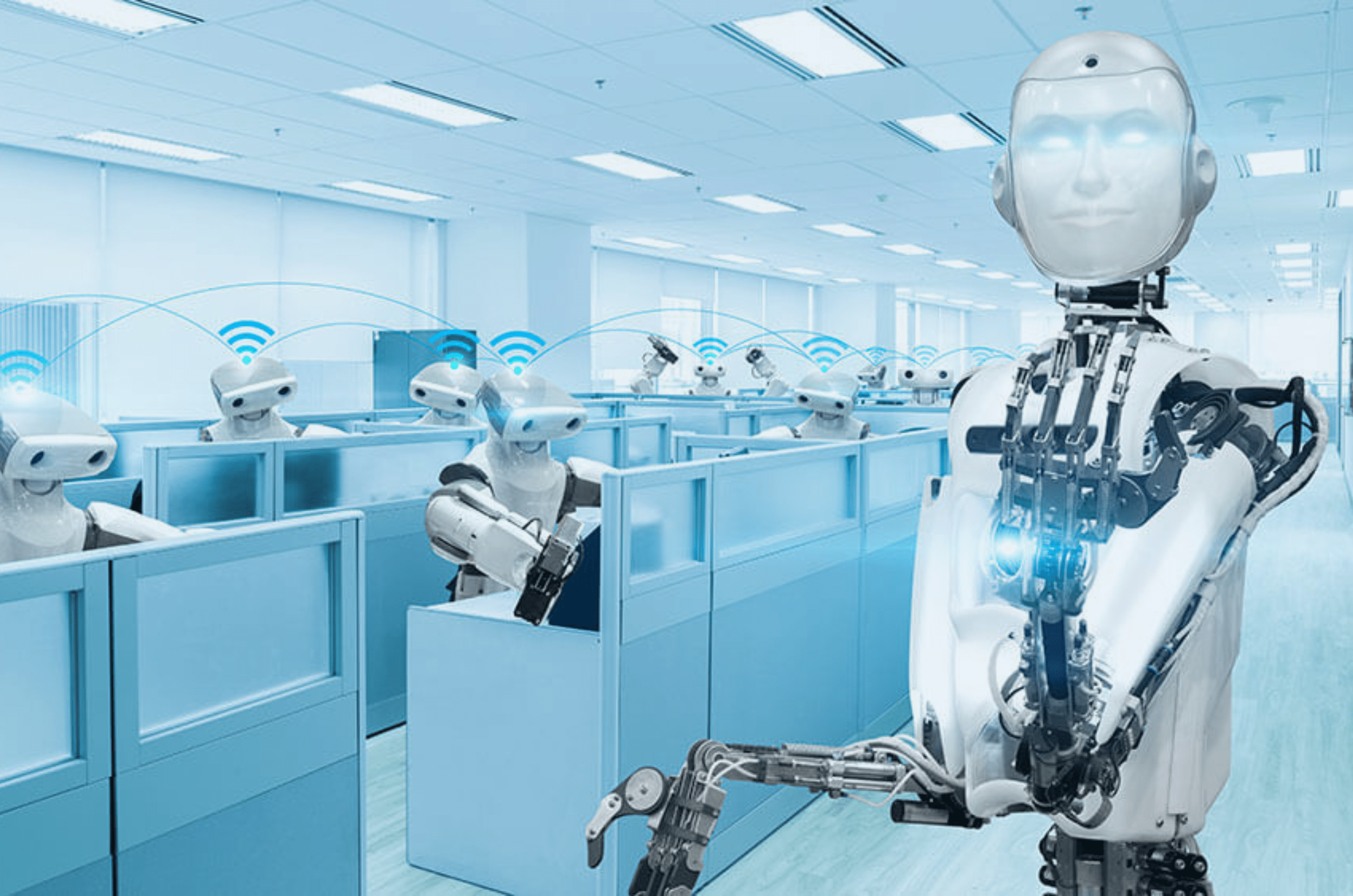
Here are three major advances in industrial automation we will be keeping an eye on in the next few years:
AI-Driven Predictive Maintenance
One of the most significant developments in industrial automation is the integration of artificial intelligence (AI) for predictive maintenance. Traditional maintenance practices often rely on scheduled inspections or reactive measures, leading to costly downtime and potential equipment failures. However, AI-driven predictive maintenance utilizes advanced algorithms to analyze real-time data from sensors and machinery, enabling proactive identification of potential issues before they are escalated.
Over the next five years, AI algorithms will become increasingly sophisticated, leveraging machine learning techniques to predict equipment failures with higher accuracy. This predictive capability not only minimizes unplanned downtime but also optimizes maintenance schedules, reducing operational costs and extending the lifespan of machinery. By harnessing AI for predictive maintenance, industries can transition towards a more efficient and cost-effective approach to equipment management, ensuring uninterrupted production processes.
Robotics Collaboration and Cobots
Collaborative robots, or cobots, are redefining the way humans and machines interact in industrial environments. Unlike traditional industrial robots that operate within confined spaces and require safety barriers, cobots are designed to work alongside human operators, enhancing efficiency and flexibility on the factory floor. In the coming years, advancements in robotics technology will further expand the capabilities of cobots, enabling seamless collaboration in various manufacturing tasks.
Enhanced sensors and vision systems will empower cobots to adapt to dynamic environments and perform intricate tasks with precision. Moreover, advancements in artificial intelligence will enable cobots to learn from human operators, facilitating intuitive interaction and seamless workflow integration. As cobots become more agile and intelligent, they will play a pivotal role in streamlining production processes, improving ergonomics and enhancing overall workplace safety.
Industrial Internet of Things (IIoT) Integration
The Industrial Internet of Things (IIoT) represents the convergence of industrial machinery with internet-connected sensors and devices, facilitating data-driven decision-making and process optimisation. Over the next five years, IIoT integration will continue to proliferate across industrial sectors, enabling seamless connectivity and real-time monitoring of equipment and processes.
Advanced sensors embedded within machinery will provide comprehensive insights into performance metrics, energy consumption and environmental conditions. Through cloud-based platforms and edge computing, this wealth of data will be analyzed in real-time, enabling predictive analytics and prescriptive maintenance strategies. Furthermore, IIoT integration will foster greater interoperability among disparate systems, enabling seamless communication and collaboration across the entire value chain.
By harnessing the power of IIoT, industries can unlock new levels of efficiency, agility and competitiveness, driving innovation and sustainable growth in the era of smart manufacturing.
In conclusion, the next five years promise to be transformative for the industrial automation sector, with AI-driven predictive maintenance, robotics collaboration and IIoT integration poised to redefine manufacturing processes and elevate productivity to unprecedented heights. Embracing these advancements will not only enhance operational efficiency but also pave the way for a smarter, more connected future of industrial automation.
_________________________________________________________________________________________
Here at Onicavox we strive to be at the forefront of the future of automation, empowering businesses across industries by helping them optimise their operations and maximising productivity. As a leading provider of cutting-edge automation solutions, we strive to transform the way businesses operate, enhancing efficiency, accuracy, and profitability.
Is your business ready to scale-up it's automation game? Onicavox is here to help. Please get in touch.