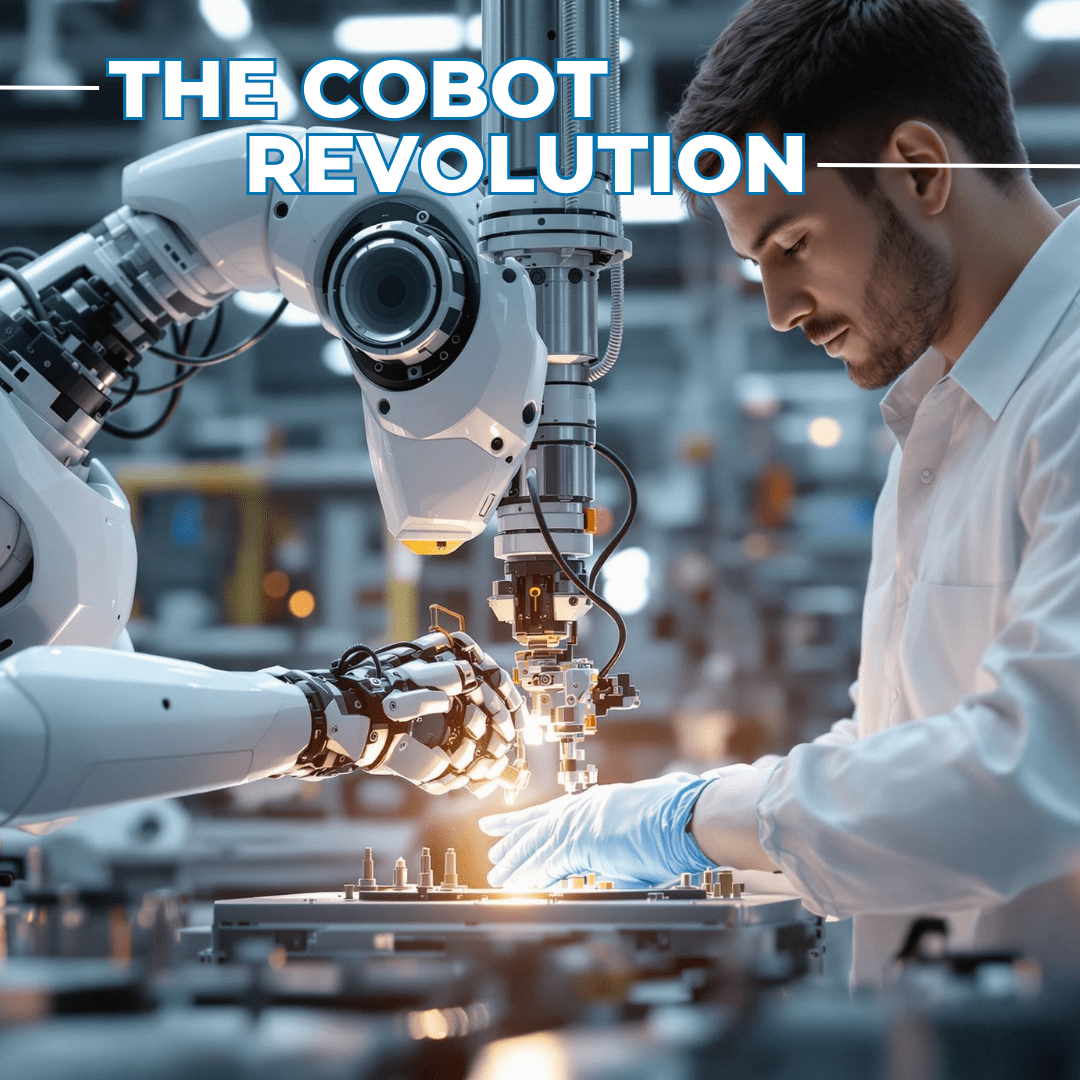
In the rapidly evolving landscape of industrial automation, collaborative robots, or cobots, have emerged as a transformative force. Unlike traditional industrial robots that operate in isolation, cobots are designed to work alongside human operators, enhancing productivity, flexibility, and safety across various sectors.
The Rise of Cobots in Industrial Automation
Cobots are engineered to share workspaces with humans, equipped with advanced sensors, artificial intelligence, and machine learning capabilities that enable them to perform complex tasks while ensuring safety. Their adaptability allows for quick reprogramming, making them ideal for industries that require flexibility and precision.
Enhancing Efficiency and Productivity
One of the primary advantages of cobots is their ability to handle repetitive and ergonomically challenging tasks, thereby reducing the physical strain on human workers and minimizing the risk of injuries. This collaboration allows human workers to focus on more complex and value-added activities, leading to increased overall productivity.
For instance, at SEAT's Martorell plant, cobots have been integrated into the assembly line to attach model name badges to vehicles. These cobots work in tandem with human workers, performing tasks that require precision and consistency, thereby streamlining the production process.
Flexibility and Adaptability in Manufacturing
Cobots offer unparalleled flexibility in manufacturing settings. Their ability to be easily programmed and reprogrammed allows manufacturers to quickly adapt to new products or changes in production processes without significant downtime.
Nissan Motor Company, for example, has deployed Universal Robots' UR10 cobots at its Yokohama plant to assist in assembling parts for electric and hybrid cars. These cobots have been instrumental in optimizing production processes, reducing takt time overruns, and allowing human workers to focus on tasks that require specialized skills.
Safety and Human-Robot Collaboration
Safety is a critical consideration in industrial environments. Cobots are designed with built-in safety features, such as force-limiting sensors and responsive feedback systems, enabling them to operate safely alongside human workers without the need for extensive safety barriers.
At SEAT's Martorell plant, cobots have been implemented to work collaboratively with human workers on the assembly line. These cobots are equipped with advanced safety features, allowing them to share the same workspace without compromising safety.
Case Studies: Cobots in Action
SEAT's Martorell Plant
SEAT has integrated cobots into its Martorell plant's assembly line to attach model name badges to vehicles. These cobots work alongside human workers, performing tasks that require precision and consistency, thereby streamlining the production process.
(information source: cobots.ie)
Nissan Motor Company's Yokohama Plant
Nissan has deployed Universal Robots' UR10 cobots at its Yokohama plant to assist in assembling parts for electric and hybrid cars. These cobots have been instrumental in optimizing production processes, reducing takt time overruns, and allowing human workers to focus on tasks that require specialized skills.
(information source: cxotoday.com)
Future Outlook
As industries continue to embrace automation, the role of cobots is expected to expand further. Advancements in artificial intelligence, machine learning, and sensor technologies will enhance the capabilities of cobots, making them even more integral to manufacturing and other sectors.
Moreover, the increasing focus on sustainability and efficiency in operations aligns with the benefits offered by cobots. By optimizing processes and reducing waste, cobots contribute to more sustainable manufacturing practices.
In summary, collaborative robots are revolutionizing industrial automation by enabling safer, more efficient, and flexible operations. Their integration into various industries underscores the transformative potential of human-robot collaboration. As technology continues to advance, cobots will play an increasingly vital role in shaping the future of industrial automation.
Here at Onicavox we strive to be at the forefront of the future of automation, empowering businesses across industries by helping them optimize their operations and maximising productivity. As a leading provider of cutting-edge automation solutions, we strive to transform the way businesses operate, enhancing efficiency, accuracy, and profitability.
Is your business ready to scale-up it's automation game? Onicavox is here to help. Please get in touch.