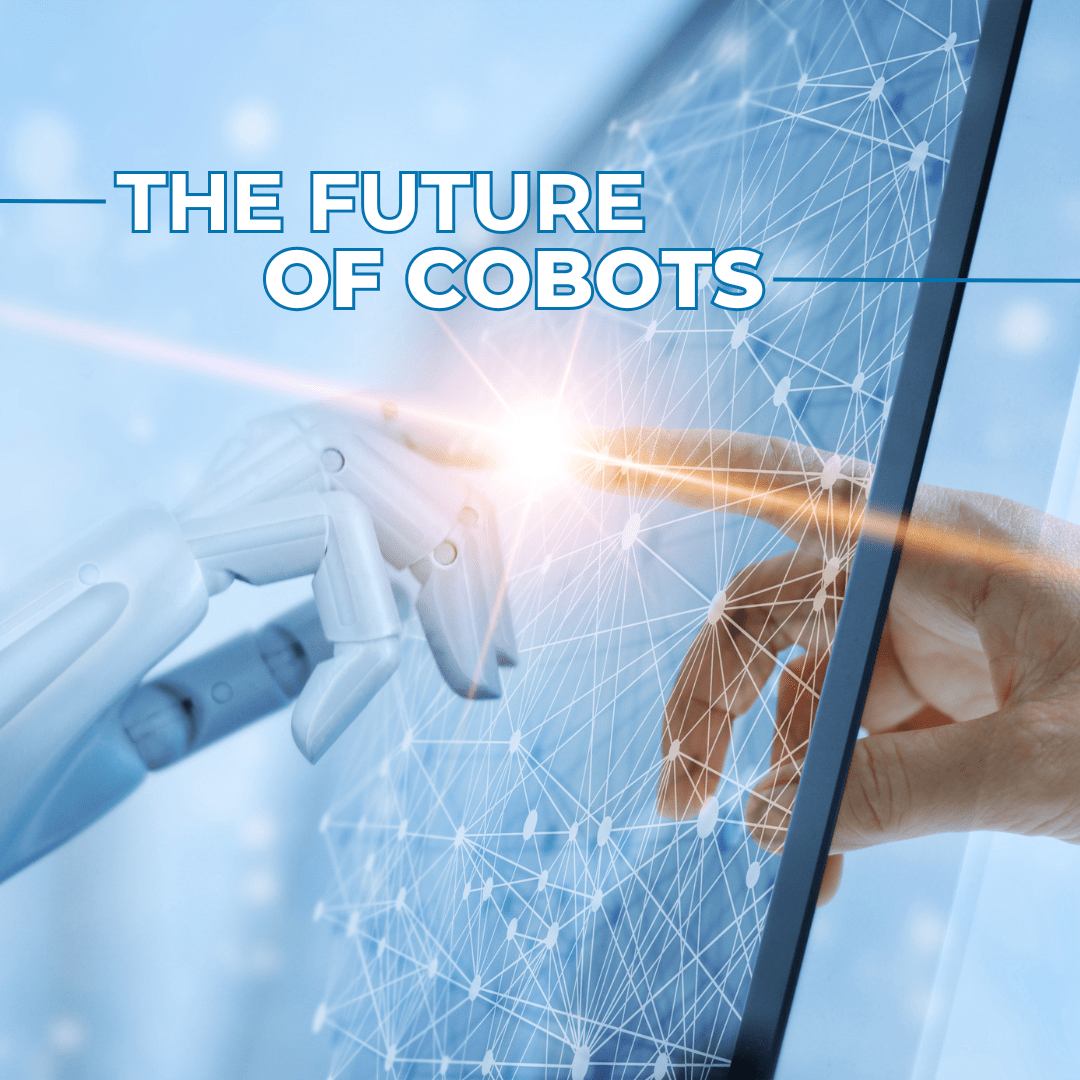
The integration of collaborative robots, or cobots, into the manufacturing sector is poised for significant expansion in the coming years. Designed to work alongside human workers, cobots are transforming production processes by enhancing efficiency, flexibility, and safety. This article delves into the anticipated future of cobots in manufacturing, examines their impact on human labor, and identifies five industries where cobots are expected to make the most substantial contributions over the next decade.
The Future of Cobots in Manufacturing
The cobot market is experiencing robust growth, with projections indicating a substantial increase in adoption across various industries. Advancements in artificial intelligence (AI) and machine learning are enabling cobots to perform more complex tasks, adapt to dynamic environments, and improve their collaborative capabilities. These technological strides are making cobots more accessible to small and medium-sized enterprises (SMEs), which can now leverage automation without the need for extensive capital investment.
Moreover, the development of user-friendly interfaces and intuitive programming methods is reducing the barrier to entry for manufacturers. Operators without extensive technical backgrounds can now program and manage cobots, facilitating quicker integration into existing workflows. This ease of use, combined with decreasing costs, is expected to drive widespread adoption of cobots in the manufacturing sector.
Impact on Human Labor in Manufacturing
The increasing deployment of cobots raises important questions about their impact on human labor. Rather than replacing human workers, cobots are designed to complement human labor by taking over repetitive, hazardous, or ergonomically challenging tasks. This collaboration allows human workers to focus on tasks that require creativity, problem-solving, and decision-making—areas where humans excel.
Studies have shown that the introduction of cobots can lead to job transformation rather than elimination. Workers are transitioning into roles that involve supervising cobot operations, performing maintenance, and optimizing production processes. This shift necessitates upskilling and reskilling initiatives to prepare the workforce for new responsibilities in an automated environment.
Top Five Industries for Cobot Impact in the Next Decade
The pharmaceutical industry demands strict adherence to hygiene and safety standards. Cobots can perform tasks such as dispensing, sorting, and packaging medications, minimizing human contact and reducing contamination risks. In medical device manufacturing, cobots assist in assembling complex devices, ensuring consistency and precision.
Conclusion
The future of collaborative robots in manufacturing is marked by rapid technological advancements and increasing integration into diverse industries. While concerns about job displacement persist, evidence suggests that cobots are more likely to augment human labor, leading to job transformation and the creation of new roles that leverage human skills alongside robotic efficiency.
As cobots become more capable and accessible, industries such as automotive, electronics, pharmaceuticals, food and beverage, and metal fabrication are poised to experience significant enhancements in productivity, quality, and safety. Embracing this collaborative approach between humans and robots will be crucial for manufacturers aiming to stay competitive in the evolving industrial landscape.
Here at Onicavox we strive to be at the forefront of the future of automation, empowering businesses across industries by helping them optimize their operations and maximising productivity. As a leading provider of cutting-edge automation solutions, we strive to transform the way businesses operate, enhancing efficiency, accuracy, and profitability.
Is your business ready to scale-up it's automation game? Onicavox is here to help. Please get in touch.