Estimated reading time: 7 minutes
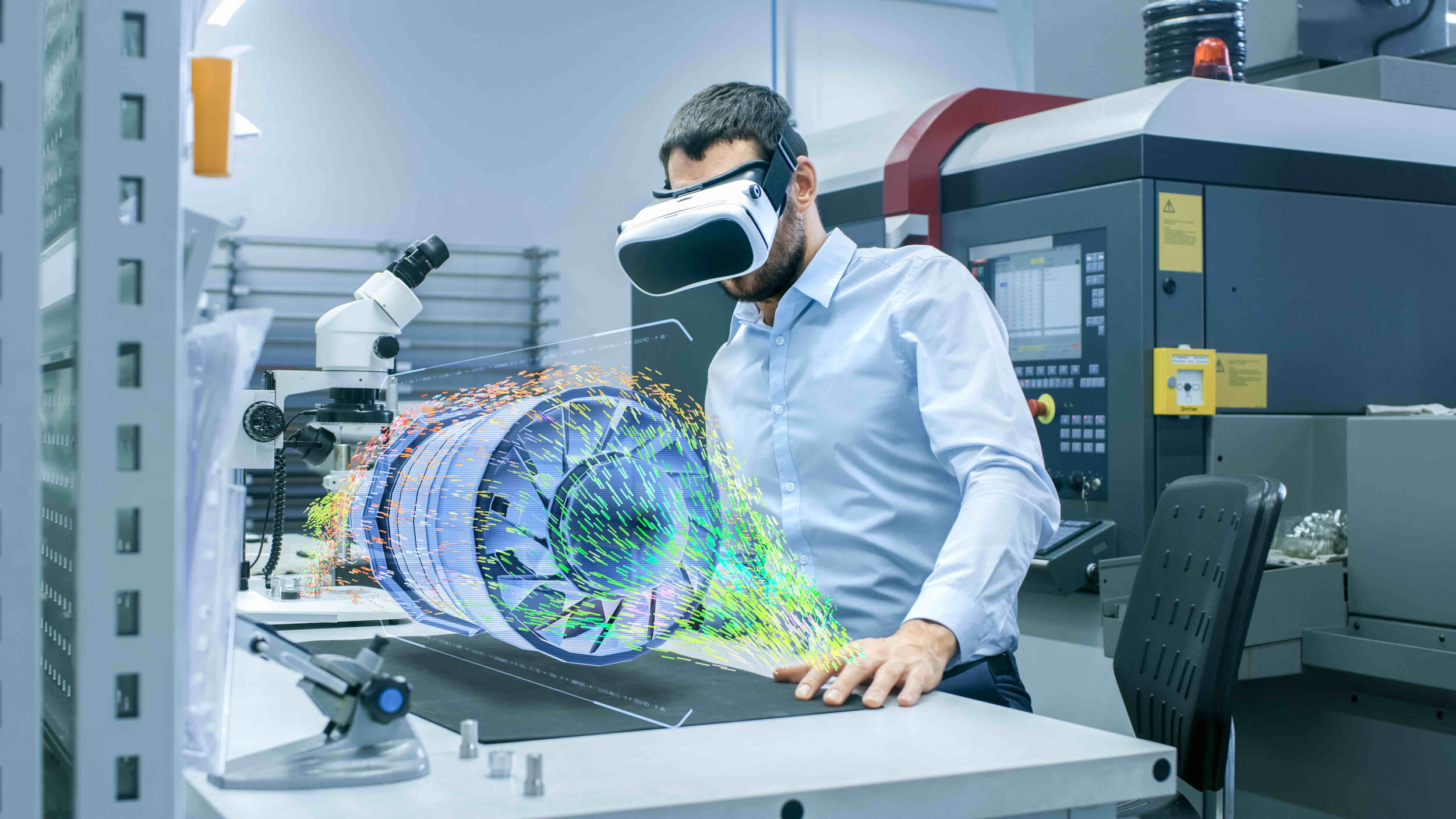
Simply put, virtual commissioning involves simulating an entire automation system in a controlled virtual environment before actual physical deployment. This allows manufacturers to test, validate, and troubleshoot their setups without the risk of costly errors or unexpected delays.
Industry 4.0 marks a paradigm shift in how industries operate, characterized by the integration of advanced technologies including the Internet of Things (IoT), artificial intelligence (AI), and big data analytics. Virtual commissioning fits perfectly within this framework by providing a digital twin environment that mirrors physical operations, allowing for real-time feedback and continuous improvement.
Reduced Commissioning Time by 40–60%
One of the most compelling advantages of virtual commissioning is the dramatic reduction in commissioning time. Real-world applications have shown time savings between 40% and 60% through the elimination of late-stage errors. A large automotive manufacturer recently utilized this technology, avoiding a six-month delay by resolving system conflicts digitally rather than on the factory floor.
Full Digital Twin Simulation of Automation Systems
Imagine having a complete virtual replica of your automation system. With this capability, engineers can identify and resolve errors in a safe, simulated setting. The risk of costly surprises during deployment significantly diminishes, ensuring a smoother transition into full operation.
Seamless Integration with Siemens TIA Portal
For those already embedded in the Siemens ecosystem, the value of virtual commissioning expands further, thanks to its native integration with the TIA Portal. This streamlines workflows, minimizes compatibility issues, and accelerates the deployment of new projects—allowing you to stay agile amidst rapidly shifting industry demands.
Actionable Insights with Advanced Diagnostic Tools
Armed with robust reporting capabilities, teams can troubleshoot more efficiently and collaborate more effectively. This level of insight helps maintain operational continuity during commissioning or upgrades, thereby minimizing downtime and maintaining production schedules.
Tailored Support from Industry Experts
Shifting to any new technology can raise questions and concerns. That’s why Onicavox offers personalized consulting backed by over 20 years of industry expertise. With hands-on support, manufacturers can navigate the complexities of implementation with greater confidence, ensuring tailored solutions that enhance operational efficiency.
Despite its numerous advantages, some manufacturers are hesitant to adopt virtual commissioning due to concerns about complexity and learning curves. However, it’s important to view these changes as opportunities rather than obstacles. Training and support from seasoned professionals can ease this transition and foster a culture of continuous learning.
Moreover, no industry transformation comes without initial investment. Though upfront costs can be daunting, the long-term savings from reduced project timelines and errors should not be overlooked.
Let’s be honest—success stories speak louder than promises. Consider the case of an electronics manufacturer that embraced virtual commissioning. By leveraging Siemens’ digital twin technologies through Onicavox, they managed to complete their automation project three months ahead of schedule, resulting in substantial cost savings and a remarkable boost in productivity.
As Industry 4.0 continues to reshape the landscape of manufacturing, the adoption of virtual commissioning will prove pivotal for leaders looking to gain a competitive advantage. The integration of virtual commissioning not only drives technology adoption but also empowers teams to innovate and excel.
The key takeaway? With the right tools and support, transforming your automation strategy becomes feasible. By harnessing Siemens digital twin technology alongside Onicavox's expertise, manufacturers can ensure a risk-free, data-driven approach to commissioning.
To adapt and thrive in the fast-paced world of manufacturing, embracing virtual commissioning is no longer just an option; it’s a necessity. The longer you wait to implement this transformative technology, the further behind you may find yourself.
So, what’s your next move? If you're looking to enhance your manufacturing processes, connect with us at Onicavox to discover how we can help you integrate virtual commissioning into your operational strategy. Together, let’s turn challenges into opportunities for growth. Contact us today!
What is virtual commissioning?
Virtual commissioning is the process of simulating an automation system in a virtual environment to test and optimize before actual deployment.
How does virtual commissioning fit into Industry 4.0?
It allows for a digital twin of physical operations, enabling real-time feedback and improvements within the Industry 4.0 framework.
Can virtual commissioning reduce costs?
Yes, it reduces costs by minimizing commissioning time and preventing costly deployment errors.